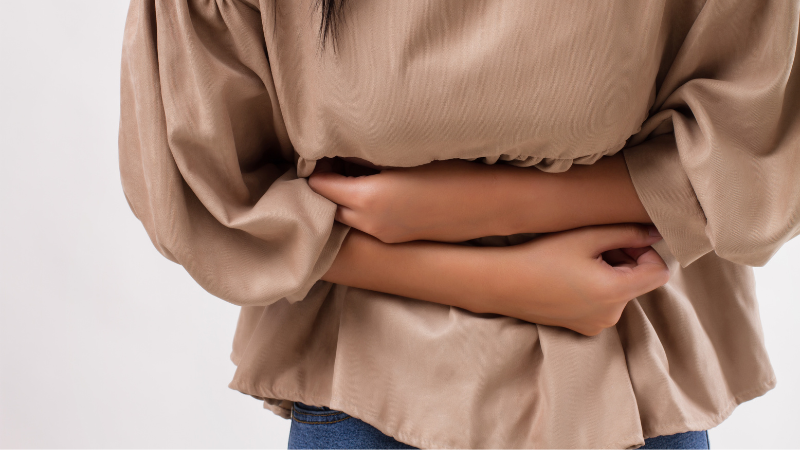

Severe lower abdominal pain during menstruation, or dysmenorrhea, has an estimated prevalence of up to 91% of women.1
Dysmenorrhea can be classified into primary or secondary. Primary dysmenorrhea is pain caused by excessive uterine contractions in the absence of lesions in the pelvis, whereas secondary dysmenorrhea is menstrual pan caused by lesions from endometriosis, chronic pelvic inflammation, uterine fibroids, cervical stenosis, or structural abnormalities.2 This painful and pervasive experience can have major impacts on women’s lives. Pharmaceutical analgesics are the go-to for women who experience this monthly. However, these medications have an estimated failure rate >15% and have adverse effects when used consistently.3
There is a large need for more support for women experiencing dysmenorrhea. Ginger has taken center stage as a treatment for dysmenorrhea that is safe, natural, and effective at reducing pain.
GINGER (ZINGIBER OFFICINALE)
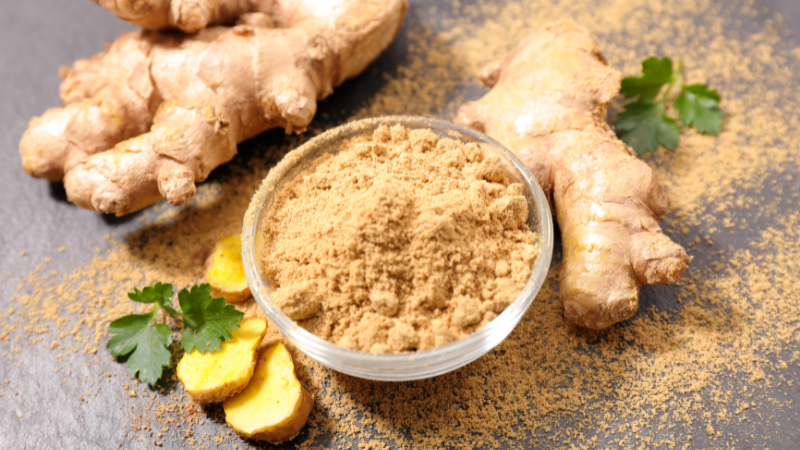
Ginger is a powerful medicinal that belongs in the same family as turmeric, cardamom, and galangal.4 Native originally to southeast Asia, it has been treasured for centuries throughout the world for its culinary and medicinal uses.5 Ginger has a long history as a star of many herbal formulas in traditional Chinese and Ayurvedic medicine ginger is warm and stimulating. It has been traditionally used to promote blood circulation, relieve spasms, induce diaphoresis, and stimulate the digestive system.6
Share:
Related Posts

When Stress Affects Digestion (and Vice Versa): Restoring Balance Through Enzymes
2026 The connection between the brain and the digestive tract is anything but one-way. Practitioners have long observed that periods of stress often coincide with

What Is Insulin Resistance and Why Should I Know About It?
Written by Laura Kunces, PhD, RD, CSSD | 2026 It is estimated that 40% of adults in the United States ages 18-44 are insulin resistant,

Ashwagandha: An Ancient Herb for Modern Life with Kirsten Vaderhegghen
October 28 2025 • Thorne Trending wellness ideas with Kirsten Vaderhegghen, Thorne Medical Affairs Coordinator During this episode you’ll learn about: This week’s topic: Ashwagandha, an ancient

The Invisible Invader: Understanding Microplastics and How to Support Your Body’s Defense
Researched Nutritionals | 2026 What Are Microplastics and Where Do They Come From? Microplastics are plastic particles less than 5mm in length. This is roughly

Creatine 101: What It’s For, How to Use It, and Side Effects
Written by Joel Totoro, RD | 2025 Because athletes and bodybuilders are constantly looking for an edge to help their performance, it’s no surprise they