
Benefits of Creatine in Perimenopause and Menopause
Written by Maura MacDonald, MS, RD, CSSD | 2025

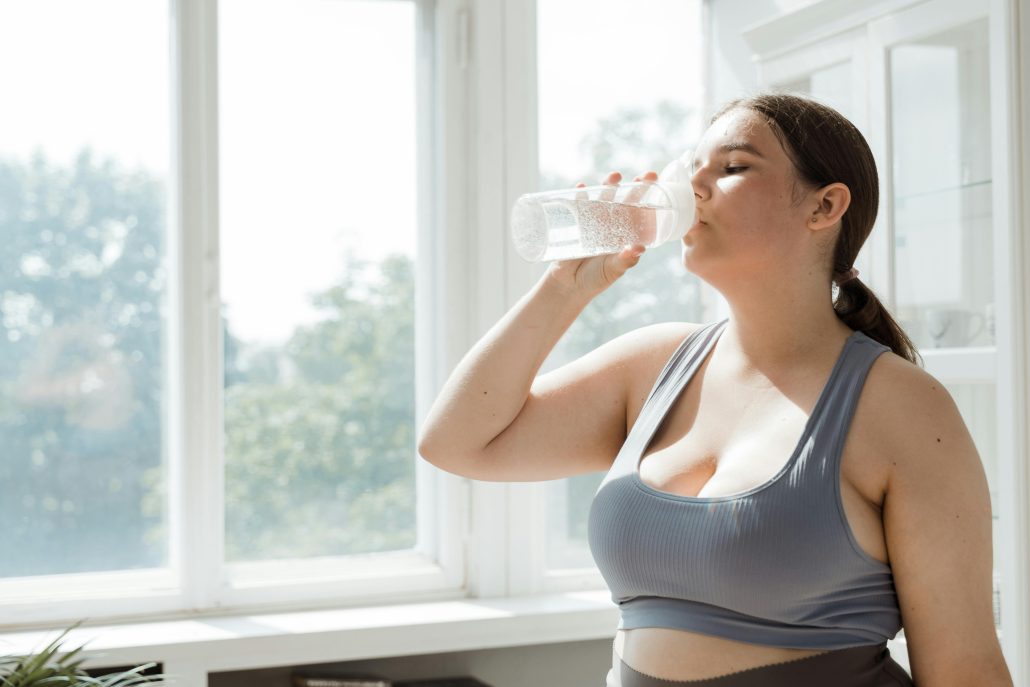
As we age, the notion is that we will inevitably become weaker. Not as mobile as we were in our 40s, not able to lift as much as we could in our 30s or run as fast as we could in our 20s. Women, especially, may start to feel these changes earlier than men, depending on when they start to feel the symptoms of perimenopause. But what’s the connection between these, and is there anything women can do to maintain their semblance of athleticism?
What is perimenopause?
Perimenopause is a transition period on the way to menopause, where a woman’s hormones, oestrogen and progesterone, decrease as she moves towards no longer ovulating. This can cause irregular menstrual cycles or a cessation of menstrual cycles altogether, along with a whole host of other symptoms, including hot flashes and night sweats, sleep disturbances, brain fog, vaginal dryness, mood changes, and loss of libido. The shift to menopause occurs when a woman has stopped ovulating and has not had a menstrual cycle for a full 12 months. At this time, oestrogen and progesterone will be consistently low with only minor fluctuations, and some of the perimenopausal symptoms may continue postmenopause.
The basics of bone health
In the bones, there are two main types of cells: osteoblasts, which help to build bones, and osteoclasts, which play a role in bone resorption, or the breakdown of bones. You may be wondering, but why would my body break down my bones? The reason behind this is that our bones contain important minerals, like calcium and phosphorus, which are both tightly regulated within our blood. If our bodies need calcium or phosphorus, and we aren’t consuming enough of it, it will be taken from our bones.
Peak bone mass is reached by the end of skeletal development during the teen and early adult years, which, typically speaking, occurs at an earlier age in females than it does in males. The bone mass that is accrued in these years is one of the most important predictors for bone strength and fracture risk later in life, even more so than any bone mass accumulated during adult life. In general, bone resorption naturally increases relative to bone formation as we age, making for an uphill battle when it comes to bone health.
Oestrogen’s role in bone and muscular health
Remember when I said that, as a woman starts to experience perimenopause, her oestrogen and progesterone levels begin to decrease? This is where we get into the connection between oestrogen, perimenopause, bone, and muscle health.
The decrease in oestrogen experienced during menopause is a large contributing factor to age-related loss of muscle, bone mass, and overall strength.1 As a woman ages, there is increased bone resorption, or the breakdown of bone tissue to release minerals such as calcium into the bloodstream, one of the causes of this being a dip in oestrogen. And, compared to men, older women experience greater decreases in bone density due to hormonal shifts, causing bones to break down faster from the inside than they can be built up from the outside.2
Similar to bone health, as oestrogen declines, a woman is unable to build or repair muscle as effectively as she could before menopause. This decrease in oestrogen is linked to increased inflammation and oxidative stress, which may make it harder to maintain and grow muscle mass, even if a woman remains active.1
Nutritional strategies for maintaining muscle and bone health
Creatine, a popular amino acid-derived supplement necessary for creating ATP, has been shown to positively benefit both muscle and bone health in aging populations by supporting bone formation, helping to maintain a normal inflammatory response, and up-regulating signals for muscle growth.*1 In recent years, there has been speculation that creatine may have different effects on women than it does on men, largely related to the notion that women tend to have lower overall creatine stores than men. This means that when a woman consumes or supplements with creatine, it may just be bringing her up to baseline to help replenish her overall creatine stores.
According to data collected from the National Health and Nutrition Examination Survey (NHANES), researchers found that 71% of women who participated in this survey fell below the recommended daily creatine intake. In this study, higher creatine intake was correlated with a lower risk of menstrual cycle irregularities. In contrast, lower intakes of creatine were associated with an increased risk of reproductive health complications.3
Most research on creatine in relation to muscle and bone health in perimenopausal and postmenopausal women has examined it in the context of resistance training. Not only is resistance training a great way to stay active as you age, but it also helps with creatine absorption, so it’s a two-for-one – both will help with muscle and bone strength!
In one research study, postmenopausal women were randomized to receive a loading dose of creatine for five days, and then a maintenance dose of creatine for 161 days or a placebo, along with completing a structured resistance training program. What researchers found was that those taking creatine experienced greater lean tissue gains in both their upper and lower bodies, as well as enhanced strength.*4
In addition, you might have heard that creatine can support cognitive function, but how? It can promote energy usage in the brain and support homeostasis.1 Providing an additional source of energy to the brain may help with the brain fog typically associated with perimenopause, as declining oestrogen levels may also affect brain energy metabolism and cognitive function.*
Protein
Protein, as you likely know, is essential for building and maintaining muscle mass, improving body composition, feeling full after meals and snacks, helping balance blood sugar, and benefiting metabolism because it takes longer to digest than nutrients like carbohydrates.*
Women of all ages, but especially those in perimenopause or postmenopause, should focus on eating an adequate amount of protein each day. What does this look like? The recommended daily allowance (RDA) for protein is 0.8 g per kilogram of body weight per day, meaning a person weighing 150 pounds would need at least 54 g of protein per day. That doesn’t sound like a whole lot of protein, does it? More recent recommendations suggest that women, especially active women, need anywhere from 1.2-2.0 g protein per kilogram of body weight each day, meaning the same 150-poind woman would need anywhere from 82-136 g of protein per day. Trying to eat that much protein per day can be a bit daunting. For reference, 20 g of protein is found in three eggs, 1 cup of Greek yogurt, or about 5 ounces of chicken.
Connect with a functional medicine practitioner near you – use our Find a Practitioner tool today!
- Smith-Ryan AE, Cabre HE, Eckerson JM, Candow DG. Creatine supplementation in women’s health: A lifespan perspective. Nutrients. 2021;13(3):877. doi:10.3390/nu13030877
- Noirrit-Esclassan E, Valera M-C, Tremollieres F, et al. Critical role of estrogens on bone homeostasis in both male and female: From physiology to medical implications. Internat J Mol Sci. 2021; 22(4):1568.
- Ostojic SM, Stea TH, Ellery SJ, Smith-Ryan AE. Association between dietary intake of creatine and female reproductive health: Evidence from NHANES 2017-2020. Food Sci Nutr. 2024;12(7):4893-4898. doi:10.1002/fsn3.4135
- Gualano B, Macedo AR, Alves CR, et al. Creatine supplementation and resistance training in vulnerable older women: a randomized double-blind placebo-controlled clinical trial. Exp Gerontol. 2014;53:7-15. doi: 10.1016/j.exger.2014.02.003.
Share:
Related Posts

TUDCA vs. Milk Thistle: Which One Supports Your Liver Best?
Written by Ashley Palmer & Pooja Mahtani | 2025 Key Takeaways: TUDCA is a bile acid that enhances bile flow, reduces liver inflammation, and supports

14 Common Questions About PectaSol Modified Citrus Pectin
Written by ecoNugenics An increased interest in natural therapies to treat the body has led to exciting research into a variety of supplements. One common

Goodbye Pie Chart, Hello Phase 1 Sliders
Written by Allison Smith, ND | 2025 As we usher in a new era of DUTCH testing which leaves behind the concept of the three-way

Introducing the DUTCH Dozen
Written by Kelly Ruef, ND | 2025 Hormone testing can be complex, which is why Precision Analytical developed the DUTCH Dozen, an interpretive framework that

DUTCH Report Enhancements
Written by Hilary Miller, ND | 2025 Precision Analytical have released the newest version of the DUTCH Test. This is the report’s most significant update